Introduction to Search Engine Marketing
In today’s digital landscape, where online presence can make or break a business, Search Engine Marketing (SEM) emerges as a powerful tool for driving visibility and engagement. SEM encompasses strategies aimed at increasing a website’s visibility on search engine results pages (SERPs) primarily through paid advertising, but also includes aspects of search engine optimization (SEO). This article delves into the world of SEM, exploring its importance, core components, and how businesses can harness its potential to boost their online performance.

What is Search Engine Marketing?
Search Engine Marketing refers to the practice of promoting websites by increasing their visibility in search engine results through paid advertising. It encompasses various strategies, including pay-per-click (PPC) advertising, display ads, and remarketing efforts. At its core, SEM focuses on obtaining traffic through both organic search and paid channels, making it an integral part of a comprehensive digital marketing strategy.
The ultimate goal of SEM is to enhance a brand’s visibility and drive relevant traffic, leading to higher conversion rates. With the right techniques, SEM can be a cost-effective way to connect with target audiences actively searching for products or services relevant to their needs.
Importance of Search Engine Marketing in Digital Strategy
As consumer behavior continues to evolve, businesses must adapt their marketing strategies to remain competitive. SEM plays a crucial role in this digital transformation, allowing brands to reach potential customers at the moment they express interest. With the vast majority of online experiences beginning with a search engine, SEM provides businesses with an invaluable opportunity to capture attention when it matters most.
Moreover, SEM enables precise targeting. Marketers can tailor their ads based on various factors, such as geographic location, device type, and demographics. This level of targeting not only increases the likelihood of reaching the right audience but also improves overall return on investment (ROI) by ensuring that marketing budgets are spent effectively.
Understanding How Search Engines Work

Search engines operate using complex algorithms to crawl, index, and rank web pages. When a user enters a query, the search engine retrieves and presents a list of relevant results based on various factors, including content quality, website authority, and user engagement metrics. Understanding how search engines function is essential for marketers aiming to maximize their visibility online.
The crawling process involves search engines sending out bots to scan web pages and gather information about their content. Once the pages are indexed, they are stored in a massive database, from which search engines can quickly retrieve data when a query is made. The ranking algorithm determines which pages are displayed first, prioritizing those deemed most relevant and authoritative.
The Role of Search Algorithms in Marketing
Search algorithms play a pivotal role in shaping marketing strategies. They determine the ranking of web pages, influencing which sites appear at the top of search results. Understanding the nuances of these algorithms is crucial for businesses looking to optimize their content for maximum visibility. Frequent updates to algorithms by search engines mean marketers need to stay informed about best practices and emerging trends.
Additionally, algorithms assess numerous factors, including keywords, site speed, mobile-friendliness, and backlink quality. By optimizing for these factors, businesses can improve their chances of ranking higher in search results and gaining increased visibility to potential customers.
The Essentials of Search Marketing
Defining Search Marketing and Its Components

Search marketing is an umbrella term that encompasses both SEO and SEM strategies. While SEO focuses on organic traffic through optimizing web page content and structure, SEM primarily involves paid advertising efforts. Both forms of search marketing are vital in driving traffic and increasing visibility.
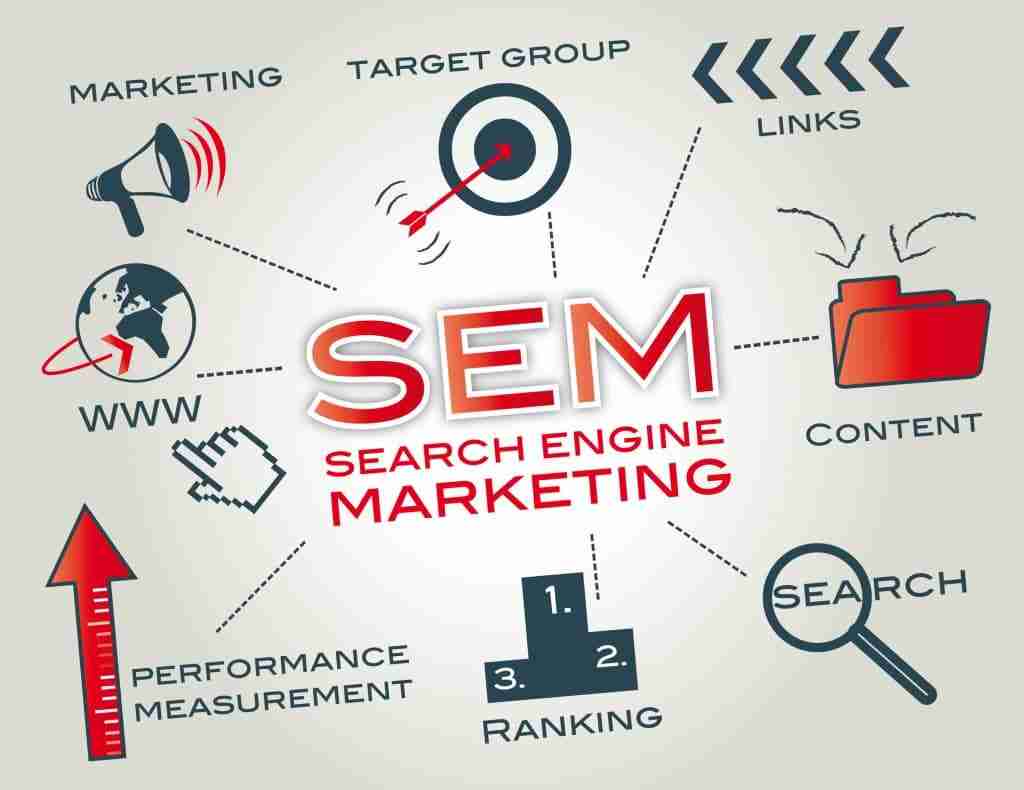
Key components of search marketing include keyword research, ad copy creation, landing page optimization, and performance analysis. Each element plays a significant role in ensuring that marketing efforts are cohesive and effective. By seamlessly integrating these components, businesses can create a robust search marketing strategy that drives results.
Key Strategies in Search Marketing
Effective search marketing requires a well-thought-out strategy. Some key strategies include thorough keyword research to identify high-performing terms, crafting compelling ad copy that resonates with the target audience, and optimizing landing pages for conversion. Additionally, leveraging remarketing techniques can help businesses reconnect with users who have previously engaged with their site, increasing the likelihood of conversion.
Another essential aspect is A/B testing, which allows marketers to compare different ads or landing pages to determine which performs better. This data-driven approach enhances the effectiveness of search marketing efforts by enabling continuous improvement based on user behavior.
Exploring SEM: Search Engine Marketing
SEM vs. SEO: Understanding the Differences

The distinction between SEM and SEO is crucial for businesses to understand. While both aim to improve visibility on search engines, their approaches differ significantly. SEO focuses on organic methods to enhance a site’s ranking, whereas SEM primarily relies on paid advertising to achieve immediate visibility. Both strategies can be integrated for a more comprehensive marketing plan.
While SEO can take time to yield results, SEM offers a quicker pathway to visibility. Businesses can launch campaigns and see immediate traffic and engagement. However, for sustained success, a balanced approach that incorporates both SEM and SEO is often the most effective.
Benefits of Implementing SEM
Implementing SEM offers numerous advantages for businesses seeking to enhance their online presence. One significant benefit is the ability to reach a larger audience quickly. Paid ads can generate traffic from the moment a campaign goes live, providing immediate visibility.
Additionally, Search engine marketing ads allows for precise targeting, enabling businesses to reach specific demographics and geographic areas. This targeted approach ensures that marketing budgets are spent effectively, yielding higher conversion rates. Furthermore, SEM campaigns are highly measurable, allowing marketers to analyze performance and make data-driven decisions to optimize future efforts.
Creating an Effective SEM Campaign
Setting Clear Goals for Your SEM Campaign

Before launching an SEM campaign, it is essential to establish clear, measurable goals. These goals could range from increasing website traffic and generating leads to boosting sales and raising brand awareness. Defining specific objectives allows marketers to tailor their strategies and measure success effectively.
Once goals are set, aligning the campaign’s tactics—such as keyword selection, ad copy, and targeting strategies—with these objectives is crucial. This alignment ensures that all efforts contribute to achieving the desired outcomes while maintaining coherence across the campaign.
Selecting the Right Keywords for Success
Keyword selection is a cornerstone of a successful SEM campaign. Conducting thorough keyword research helps identify terms that potential customers are using to search for products or services. Tools like Google Keyword Planner can assist marketers in discovering relevant keywords, assessing their search volume, and understanding competition levels.
Once the right keywords are identified, they should be strategically integrated into ad copy and landing pages to enhance relevance and improve Quality Score—an essential metric that affects ad placement and cost-per-click (CPC).
Measuring Success in Search Engine Marketing
Key Metrics to Evaluate SEM Performance

Measuring the success of an SEM campaign involves analyzing various key performance indicators (KPIs). Some essential metrics include click-through rate (CTR), conversion rate, cost per acquisition (CPA), and return on ad spend (ROAS). Each metric provides insights into different aspects of campaign performance.
For example, a high CTR indicates that the ad copy resonates well with the audience, while a low conversion rate may suggest issues with the landing page. Regularly monitoring these metrics allows marketers to identify areas for improvement and optimize their strategies accordingly.
Tools and Techniques for Analyzing SEM Results
Numerous tools are available to help analyze SEM performance. Google Ads and Google Analytics are two widely used platforms that provide insights into ad performance, user behavior, and conversion tracking. These tools enable marketers to assess data in real-time, allowing for quick adjustments to optimize campaign effectiveness.
Additionally, third-party tools like SEMrush and Ahrefs can provide competitive analysis and keyword tracking, helping businesses stay ahead of trends in their industry. Using a combination of these tools ensures a comprehensive understanding of SEM performance and facilitates data-driven decision-making.
Conclusion: Embracing the Future of Search Engine Marketing
The Continuous Evolution of Search Engine Marketing
As technology continues to advance and consumer behavior shifts, the landscape of search engine marketing is ever-evolving. Businesses must remain agile and adaptable, embracing new trends and technologies to stay competitive. Innovations such as voice search, artificial intelligence, and machine learning are reshaping how marketers approach SEM, presenting both challenges and opportunities.
By staying informed about industry developments and continuously refining their strategies, businesses can leverage SEM to achieve significant growth and maintain a strong online presence. The future of search marketing lies in the ability to connect with consumers in meaningful ways, offering relevant solutions at the right time.
Final Thoughts on Leveraging SEM for Growth
In conclusion, Search Engine Marketing is a powerful component of digital marketing that offers businesses the opportunity to enhance visibility, connect with target audiences, and drive conversions. By understanding the intricacies of search engines, implementing effective SEM strategies, and continuously measuring performance, companies can unlock their online potential. As the digital landscape evolves, so must marketing efforts, ensuring that businesses remain at the forefront of their industries.
FAQs
What is the difference between SEO and SEM?
SEO focuses on improving organic search rankings through content optimization and technical improvements, while SEM primarily involves paid advertising to increase visibility on search engine results pages.
How can I choose the right keywords for my SEM campaigns?
Conduct thorough keyword research using tools like Google Keyword Planner, focusing on keywords with high search volume and low competition that are relevant to your business offerings.
What metrics should I track to measure SEM success?
Key metrics include click-through rate (CTR), conversion rate, cost per acquisition (CPA), and return on ad spend (ROAS), all of which provide insights into the effectiveness of your campaign.
How quickly can I see results from SEM campaigns?
SEM campaigns can generate immediate traffic and visibility once live, unlike SEO, which may take longer to yield results. However, ongoing optimization is essential for sustained success.
What tools can help analyze SEM performance?
Google Ads and Google Analytics are essential tools for analyzing SEM performance. Additionally, third-party tools like SEMrush and Ahrefs provide valuable insights into keyword performance and competitive analysis.