Table of Contents
What is Digital Marketing?

Digital Marketing
Digital Marketing
Digital marketing encompasses all marketing efforts that use the internet or an electronic device to connect with potential customers. This broad definition includes various channels such as search engines, social media, email, and websites to engage audiences and promote products or services. In today’s increasingly digital world, understanding this marketing approach is essential for businesses of all sizes. The shift from traditional to digital marketing has been significant, and companies that fail to adapt can miss out on valuable opportunities.
Definition and Importance
At its core, digital marketing is about reaching customers where they spend much of their time—online. It allows businesses to connect with their audience in real time and tailor messages to specific demographics. The importance of this approach lies in its ability to track results, target specific audiences, and facilitate engagement through various channels. This data-driven approach helps businesses understand consumer behavior, making it easier to refine marketing strategies for better outcomes.
Benefits of Digital Marketing for Businesses
This marketing method offers numerous benefits over traditional marketing methods. Firstly, it is generally more cost-effective, allowing businesses to reach a larger audience without the hefty price tag of print media. Secondly, the ability to track and measure results in real-time provides invaluable insights that can help refine marketing strategies. Moreover, this approach enhances customer engagement and fosters stronger relationships through direct interaction on social media platforms and personalized email campaigns.
Creating a Digital Marketing Strategy
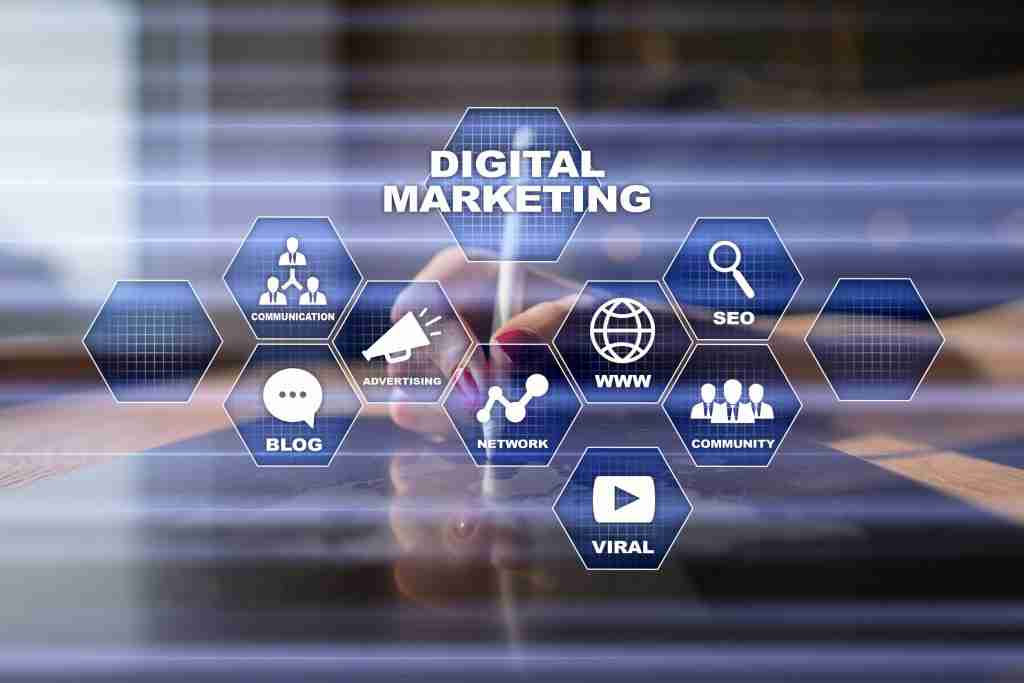
DIgital Marketing Strategy
To effectively leverage this marketing method, businesses must develop a comprehensive strategy. A well-crafted digital marketing strategy serves as a roadmap, guiding all marketing efforts and ensuring that resources are utilized efficiently. This section outlines the fundamental components of an effective approach.
Identifying Your Target Audience
Understanding your target audience is the cornerstone of any successful marketing strategy. Begin by conducting market research to define your ideal customer. Consider demographics such as age, gender, income level, location, and purchasing behavior. Creating buyer personas can help visualize your target audience and tailor your messaging to meet their needs.
Setting Clear Goals
Once you have identified your target audience, the next step is to establish clear and measurable goals. These goals should align with your overall business objectives and can include increasing brand awareness, generating leads, improving customer retention, or boosting sales. Utilizing the SMART criteria (Specific, Measurable, Achievable, Relevant, Time-bound) can help ensure that your goals are well-defined and attainable.
Budgeting for Digital Marketing
Budgeting is crucial in digital marketing as it determines the scope of your campaigns. Assess your overall marketing budget and allocate funds across various digital channels based on their potential return on investment (ROI). Keep in mind that flexibility is essential; as campaigns progress, you may need to reallocate funds to channels that are performing better.
Current Trends in Digital Marketing
The digital marketing landscape is continually evolving, with new trends emerging regularly. Staying updated on these trends is vital for maintaining a competitive edge and ensuring that marketing strategies remain effective. This section discusses some of the current trends shaping this approach.
Emerging Technologies
Technology plays a significant role in digital marketing. Innovations such as artificial intelligence (AI), chatbots, and voice search are transforming how businesses interact with customers. AI can analyze consumer data to create personalized experiences, while chatbots provide instant customer support. Voice search optimization is also crucial as more consumers use voice-activated devices to search for information.
Personalization and Customer Experience
Consumers today expect personalized experiences when interacting with brands. This expectation necessitates the use of data to tailor marketing messages and offers to individual preferences. By leveraging customer data, businesses can create targeted campaigns that resonate more deeply with their audience, enhancing overall customer satisfaction and loyalty.
Video Content Dominance
Video content is becoming increasingly popular, with platforms like YouTube, TikTok, and Instagram Reels leading the charge. Video marketing allows businesses to convey messages more engagingly and memorably. Integrating video into your marketing strategy can increase audience engagement, improve conversion rates, and enhance brand visibility.
Popular Digital Marketing Platforms
This marketing can be executed across various platforms, each serving different purposes and audiences. Understanding these platforms is essential for crafting effective marketing campaigns.
Social Media Marketing
Social media platforms such as Facebook, Instagram, Twitter, and LinkedIn provide businesses with an opportunity to connect directly with their audience. Social media marketing involves creating and sharing content to engage users and promote products or services. This platform allows for two-way communication, enabling businesses to respond to customer inquiries and feedback in real time.
Email Marketing
Email marketing remains one of the most effective digital marketing channels. It allows businesses to communicate directly with customers, offering personalized messages and promotions. Developing a robust email marketing strategy involves segmenting your audience, creating engaging content, and analyzing campaign performance to optimize future efforts.
Search Engine Optimization (SEO)
SEO is the practice of optimizing website content to rank higher in search engine results. A strong SEO strategy increases online visibility, driving organic traffic to your website. Key components of SEO include keyword research, on-page optimization, backlink building, and ensuring a positive user experience. By focusing on SEO, businesses can attract more qualified leads and enhance their overall digital presence.
Pay-Per-Click Advertising (PPC)
PPC advertising enables businesses to display ads on search engines and social media platforms, paying only when a user clicks on the ad. This form of advertising offers immediate visibility and can drive traffic quickly. To maximize ROI, it is essential to conduct thorough keyword research, create compelling ad copy, and continually monitor and adjust campaigns based on performance metrics.
Effective Digital Marketing Tricks
Implementing effective tricks can give businesses a competitive edge. These strategies focus on maximizing engagement, leveraging technology, and enhancing overall marketing efforts.
Utilizing Data Analytics
Data analytics allows businesses to make informed decisions based on consumer behavior and campaign performance. By analyzing metrics such as website traffic, conversion rates, and customer demographics, businesses can better understand what works and what doesn’t. Utilizing tools like Google Analytics can provide actionable insights that can inform marketing strategies and improve overall effectiveness.
Leveraging Influencer Marketing
Influencer marketing involves collaborating with individuals who have a significant online following to promote products or services. By leveraging the trust and credibility of influencers, businesses can reach a wider audience and establish brand authority. Selecting the right influencers who align with your brand values and resonate with your target audience is crucial for maximizing the impact of this strategy.
Best Practices in Digital Marketing
Adhering to best practices can significantly improve campaign outcomes. These practices focus on creating valuable content, maintaining consistency, and effectively engaging with your audience.
Consistent Branding
Consistency in branding across all digital marketing channels is vital for establishing brand identity and recognition. Ensure that your brand’s voice, visuals, and messaging remain uniform, whether on your website, social media, or email campaigns. This consistency helps build trust and familiarity with your audience, leading to increased engagement and loyalty.
Engaging Content Creation
Creating engaging content is at the heart of effective digital marketing. High-quality content that resonates with your audience can drive traffic, generate leads, and boost conversions. Utilize various content formats, including blog posts, infographics, videos, and podcasts, to appeal to different preferences and enhance user engagement. Always prioritize value, making sure your content addresses the needs and interests of your audience.
Essential Tools for Digital Marketing
Utilizing the right tools can enhance the effectiveness of your efforts. This section explores essential tools that can streamline processes and improve campaign outcomes.
Social Media Management Tools

Social Media Marketing Tools
Social media management tools, such as Hootsuite and Buffer, allow businesses to schedule posts, monitor engagement, and analyze performance across multiple platforms. These tools can save time and ensure a consistent presence on social media, helping businesses connect with their audience more effectively.
Email Marketing Software

Email Marketing Tools
Email marketing software like Mailchimp or Constant Contact simplifies campaign management, enabling businesses to create, send, and analyze emails efficiently. These tools often include features for audience segmentation and automation, allowing for more targeted and personalized communication.
SEO Tools
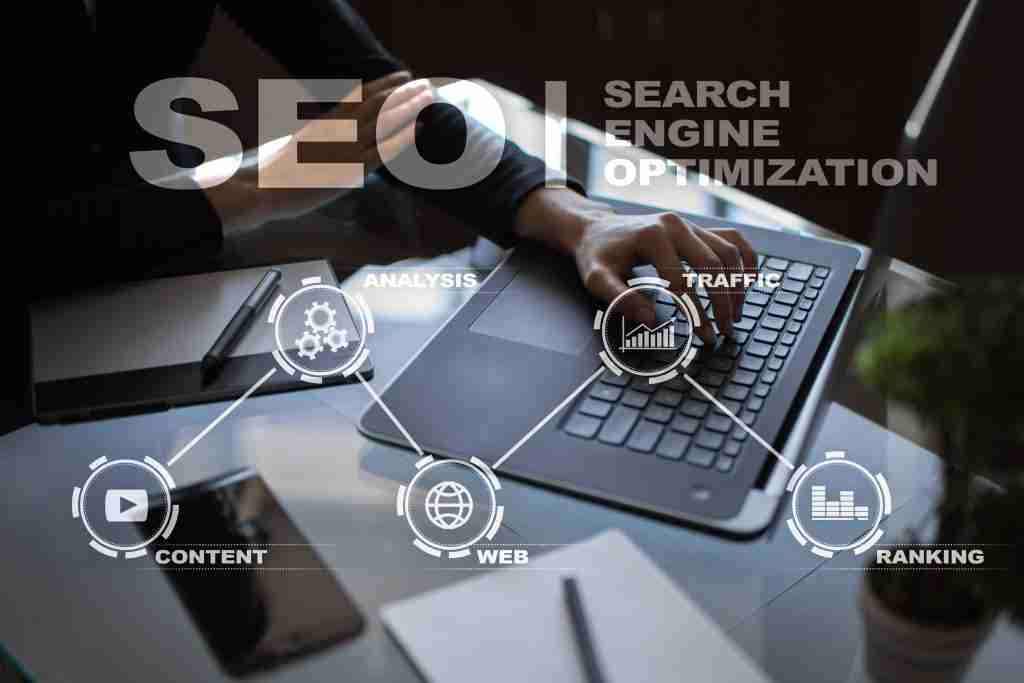
SEO Tools
SEO tools, such as SEMrush and Moz, provide insights into keyword performance, backlink quality, and site health. These tools are invaluable for optimizing website content and ensuring search engine visibility. By utilizing SEO tools, businesses can stay ahead of competitors and improve their online rankings.
Top Tips for Successful Digital Marketing
Successful marketing requires continuous learning and adaptation. This section outlines top tips that can help businesses thrive in the digital landscape.
Stay Updated with Trends
The digital marketing landscape is ever-changing, making it crucial for businesses to stay informed about the latest trends and technologies. Follow industry blogs, attend webinars, and participate in relevant online communities to remain knowledgeable about new developments that could impact your marketing strategies.
Test and Optimize Your Campaigns
Testing and optimizing campaigns is essential for maximizing effectiveness. Utilize A/B testing to evaluate different approaches, whether in ad copy, email formats, or landing page designs. By analyzing results and making data-driven adjustments, businesses can continuously improve their marketing strategies and drive better outcomes.
How to Do Digital Marketing: A Step-by-Step Guide
Implementing digital marketing can seem overwhelming, but breaking it down into manageable steps can simplify the process. This step-by-step guide provides a roadmap for executing effective digital marketing strategies.
Step 1: Research and Plan
Begin by conducting thorough research to inform your digital marketing strategy. Identify your target audience, analyze competitors, and establish clear goals. Use this information to create a comprehensive marketing plan that outlines your approach, budget, and timeline for execution.
Step 2: Choose Your Platforms
Select the digital platforms that align with your target audience and marketing goals. Consider where your audience spends their time online—whether it’s social media, email, or search engines—and focus efforts on those channels to maximize impact.
Step 3: Create Engaging Content
Develop high-quality content tailored to your audience’s preferences. Utilize various formats, such as blogs, videos, and infographics, to keep your content fresh and engaging. Ensure that all content is aligned with your brand messaging and provides value to your audience.
Step 4: Launch and Monitor Campaigns
Once your content is ready, launch your digital marketing campaigns across chosen platforms. Monitor performance closely, tracking key metrics to assess effectiveness. Use insights gained during this phase to adjust strategies as needed for better results.
Step 5: Analyze and Adjust Strategies
After your campaigns have run for a time, analyze the results to evaluate success. Review metrics such as engagement rates, conversion rates, and return on investment. Based on this analysis, adjust your strategies to improve future campaigns and drive better outcomes.
Conclusion
Digital marketing is an essential aspect of modern business that provides opportunities for growth, engagement, and customer retention. By developing a comprehensive strategy, staying updated with trends, and utilizing effective tools, businesses can navigate the digital landscape successfully. Understanding your audience, creating engaging content, and optimizing campaigns are pivotal to achieving marketing goals.
FAQs
What is digital marketing?
Digital marketing refers to marketing efforts that use the internet and electronic devices to connect with consumers. This includes various channels such as social media, email, and websites.
Why is digital marketing important for businesses?
Digital marketing is important because it allows businesses to reach a wider audience, track results, and engage directly with customers, all while often being more cost-effective than traditional marketing methods.
What are some current trends in digital marketing?
Current trends include the use of emerging technologies like AI and chatbots, personalization of customer experiences, and the dominance of video content in marketing strategies.
Which platforms are best for digital marketing?
Popular platforms include social media (like Facebook and Instagram), email marketing, SEO, and PPC advertising. The best platforms depend on your target audience and marketing goals.
How can businesses measure the success of their digital marketing efforts?
Businesses can measure success through analytics tools that track key metrics like website traffic, conversion rates, engagement levels, and return on investment.
In summary, by embracing digital marketing strategies, businesses can not only enhance their visibility but also foster meaningful connections with their audience, ultimately driving growth and success.