What is SEO?
<!– wp:cover {"url":"https://www.redboxsem.com/wp-content/uploads/SEO-services-1024×712.jpeg","id":2121,"alt":"SEO Singapore”,”dimRatio”:50,”customOverlayColor”:”#7e9fbe”,”isUserOverlayColor”:false,”minHeight”:238,”minHeightUnit”:”px”,”isDark”:false,”sizeSlug”:”large”,”style”:{“color”:[]}} –>
SEO Singapore
Search Engine Optimization (SEO) singapore is a multifaceted approach aimed at enhancing a website’s visibility in search engine results pages (SERPs). By optimizing various aspects of a website, businesses can attract more organic traffic, improve user experience, and ultimately drive conversions. SEO singapore is crucial for digital marketing because it aligns your content with the search intent of your target audience, ensuring that you can meet their needs effectively.
Effective implementation of SEO singapore can lead to enhanced online visibility. By incorporating SEO singapore strategies, businesses can improve their digital footprint. Businesses that prioritize SEO singapore often experience better customer engagement. Leveraging SEO is essential for competitive advantage in today’s market. Understanding SEO enables businesses to refine their marketing strategies. Investing in SEO singapore leads to improved online reputation. SEO plays a crucial role in ensuring visibility among competitors. In the context of businesses in Singapore, understanding SEO singapore can significantly enhance visibility and reach.
Enhancing your online presence through SEO in Singapore can do wonders for your business visibility. By implementing SEO strategies tailored to the Singapore market, you can boost your online reach and engage more effectively with customers. In today’s competitive landscape, SEO is key to standing out and refining your marketing approach. Investing in SEO specifically for the Singapore market can greatly improve your reputation online and help you stay visible amidst competitors. So, grasp the power of SEO in Singapore to elevate your business visibility and expand your reach today!
By mastering SEO techniques, businesses in Singapore can excel, outshine rivals, and boost their online presence. By embracing SEO practices tailored to Singapore, local businesses can flourish, connect with their target audience, and compete successfully. Prioritizing SEO in your digital marketing plan is key. A strong SEO approach can lead to a substantial increase in sales conversions.
The importance of SEO in digital marketing cannot be overstated. With millions of websites competing for attention, having a robust SEO strategy allows businesses to stand out. SEO not only helps improve brand awareness but also establishes credibility and trust with potential customers. In an era where consumers rely heavily on search engines for information, having a strong SEO presence is essential for business success.
On Page SEO

On Page SEO
Understanding the nuances of SEO can also help in tailoring content that resonates with the local audience.
Applying SEO techniques can help address local market needs. SEO strategies can significantly improve your search rankings. Understanding the role of SEO is key to business growth. Incorporating SEO singapore into your strategy is essential for visibility. Enhancing your understanding of SEOcan lead to significant advantages.
Key Components of On Page SEO
On Page SEO refers to the practice of optimizing individual web pages to rank higher and earn more relevant traffic in search engines. Key components of On Page SEO include keyword optimization, meta tags, content quality, and internal linking. Keywords are the terms that your target audience searches for, and placing them strategically throughout your content can significantly improve your ranking potential.
Understanding the nuances of SEO singapore can also help in tailoring content that resonates with the local audience.
To achieve success in SEO singapore, several best practices should be adhered to. Focus on producing quality content optimized with the right keywords, including SEO singapore.
Meta tags, including title tags and meta descriptions, provide search engines with information about your content. Crafting compelling and relevant meta tags can improve click-through rates. High-quality content that provides value to readers is essential for retaining visitors and encouraging them to share your information. Lastly, internal linking helps search engines understand the structure of your website and enhances user navigation.
Best Practices for On Page SEO

On Page SEO Best Practice
For companies aiming to expand their reach, mastering SEO is essential to attract more clients and improve overall digital presence.
Utilizing effective Off Page SEO strategies that emphasize SEO will foster relationships with key industry players to enhance visibility.
To effectively implement On Page SEO, several best practices should be followed. First, conduct thorough keyword research to identify relevant terms that your audience is searching for. Use these keywords naturally within your content, without keyword stuffing. Second, ensure that your content is comprehensive and answers the questions that users might have on the topic.
Additionally, optimize images by using alt tags to describe them, which further aids search engines in understanding your content. Lastly, ensure your website is mobile-responsive and has a fast loading time, as these factors significantly impact user experience and search rankings.
Understanding the significance of SEO can lead to better ranking and visibility in search results. For companies aiming to expand their reach, mastering SEO is essential to attract more clients. Ultimately, effective Off Page SEO strategies that emphasize SEO will foster relationships with key industry players. Implementing effective strategies for SEO singapore can enhance your site’s visibility and engagement.
Off Page SEO
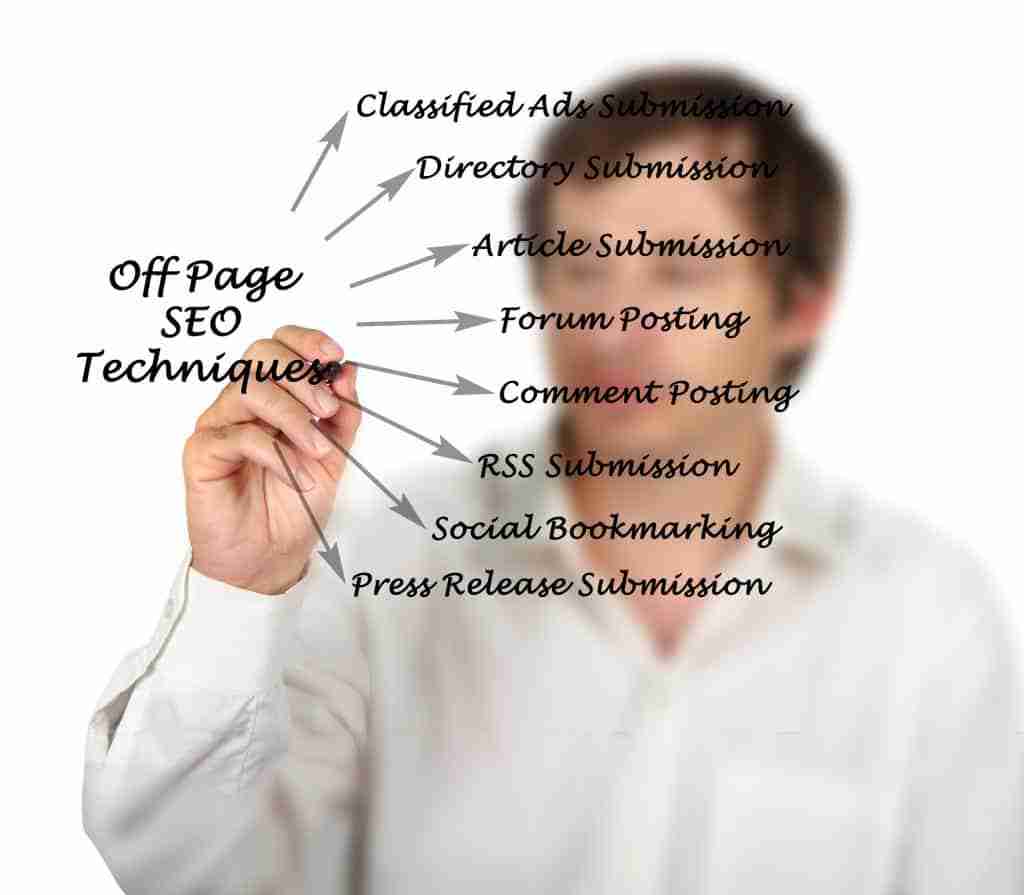
Off Page SEO
Understanding Off Page SEO
Off Page SEO encompasses all the actions taken outside of your website to improve its ranking in search results. This includes link building, social media marketing, and online reputation management. Off Page SEO aims to create a positive perception of your website and increase its authority through external signals.
Link building is a critical aspect of Off Page SEO, as it involves acquiring backlinks from other reputable sites with a focus on SEO. These backlinks act as votes of confidence, indicating to search engines that your content is valuable and trustworthy. Therefore, robust SEO efforts can significantly boost your website’s credibility and ranking potential.
Techniques for Effective Off Page SEO
Several techniques can enhance the effectiveness of your Off Page SEO efforts. Guest blogging is one such method, where you write articles for other websites in exchange for backlinks. Participating in relevant online communities and forums also helps establish your authority and drives traffic to your site.
Utilizing social media platforms is another powerful technique. Consistently sharing your content on these platforms can increase visibility and drive traffic, while engagement can lead to more backlinks. Finally, monitoring your brand’s online reputation and responding to reviews can further strengthen your site’s authority.
Mastering SEO is vital for adapting to market changes.
Technical SEO

Technical SEO
What is Technical SEO?
Technical SEO focuses on the backend structure of your website to improve its readability and how search engines crawl and index it. This includes optimizing server response times, ensuring that your site is secure (HTTPS), and creating an XML sitemap. Technical SEO is vital for ensuring that search engines can effectively access and interpret your site.
Common elements of Technical SEO include optimizing URL structures, utilizing canonical tags to prevent duplicate content issues, and implementing schema markup to provide additional context to your content. Addressing these areas can significantly enhance your site’s performance in search results.
Common Technical SEO Issues
Common Technical SEO issues can hinder your site’s performance. Slow loading times, broken links, and improperly configured robots.txt files are just a few examples. Regularly auditing your website for these issues can help maintain optimal performance.
Another significant factor is mobile optimization. With the increasing number of users accessing the web via mobile devices, ensuring that your site is mobile-friendly is essential. Failing to address technical SEO can lead to poor user experience and lower search rankings.
Link Building
The Role of Link Building in SEO

SEO Link building
Link building is one of the most essential components of SEO. It involves acquiring hyperlinks from other websites to your own, which serve as pathways for search engines to crawl and index your content. Quality backlinks from reputable sources not only enhance your website’s authority but also drive referral traffic.
The importance of link building cannot be overstated, as it directly influences your website’s ranking potential. Search engines view backlinks as endorsements, and a higher quantity of quality backlinks can lead to improved rankings in SERPs.
Strategies for Effective Link Building
Effective link building strategies include creating high-quality content that naturally attracts links, engaging in guest blogging, and leveraging social media to promote your content. Developing relationships with influencers and bloggers in your niche can also lead to collaborative opportunities for backlinks.
Additionally, conducting competitor analysis to identify their backlink sources can offer insights into your link building strategy. Consider reaching out to websites that have linked to your competitors, providing them with a compelling reason to link to your content instead.
Domain Authority

Domain Authority matters
Understanding Domain Authority
Domain Authority (DA) is a metric developed by Moz that predicts how well a website will rank in search engine results. It is based on various factors, including the number and quality of backlinks, age, and overall trustworthiness of the domain. A higher DA score indicates a greater likelihood of ranking well in SERPs.
Regularly monitoring your Domain Authority is crucial, as it can provide insights into your site’s performance over time. However, it’s essential to note that DA is a comparative metric; it’s most useful when assessing your site against competitors within the same niche.
How to Improve Domain Authority
Improving your Domain Authority requires a multifaceted approach. First, focus on building high-quality backlinks by creating exceptional content that others will want to link to. Additionally, ensure your site is optimized for both users and search engines by enhancing its performance, mobile-friendliness, and overall user experience.
Engaging in social media marketing and fostering relationships with industry influencers can also help drive traffic and increase visibility. Regularly updating your content to keep it relevant and valuable will also play a role in improving your Domain Authority over time.
Page Authority

Page Authority impacts SERP
What is Page Authority?
Page Authority (PA) is a metric similar to Domain Authority but focuses on a single page rather than the entire domain. PA predicts how well a specific page will rank in search engine results based on various factors, including inbound links and content relevance. Like DA, PA is measured on a scale from 1 to 100, with higher scores indicating a greater chance of ranking well.
Factors Influencing Page Authority
Several factors influence Page Authority, including the quality and quantity of inbound links pointing to the page, the relevance of the page content to the targeted keywords, and the overall user experience. Pages with high-quality content that is frequently updated tend to have higher PA scores.
To enhance Page Authority, focus on implementing effective link building strategies and producing valuable content that meets the needs of your audience. Additionally, optimizing the page for keywords and ensuring it loads quickly can improve its ranking potential.
Benefits of SEO

Benefit of SEO
How SEO Can Boost Your Business
Investing in SEO offers several benefits that can significantly boost your business. First and foremost, effective SEO increases organic traffic, leading to higher visibility and potential sales. As consumers increasingly rely on search engines for information and products, having a prominent search presence can drive substantial business growth.
Moreover, SEO can enhance user experience on your site, which is essential for retaining visitors. By ensuring your website is easy to navigate, informative, and fast-loading, you create a positive impression that encourages visitors to explore further and convert.
Long-term Benefits of Investing in SEO
The long-term benefits of investing in SEO are profound. Unlike paid advertising, which stops generating traffic once the budget runs out, SEO offers ongoing visibility and traffic at a lower overall cost. Additionally, SEO builds brand credibility and trust over time, as higher-ranking sites are often perceived as more reliable by users.
Furthermore, a well-optimized site is better positioned to adapt to changing algorithms and market trends, ensuring continued relevance in the digital landscape. As your site climbs the ranks, it becomes a valuable asset that can contribute to sustained business success.
How to Do SEO

How to SEO
Step-by-Step Guide to SEO
To effectively implement SEO, follow a structured approach. Start with thorough keyword research to identify the terms and phrases your target audience is searching for. Next, optimize your website’s On Page elements, including content, meta tags, and internal linking.
Once your site is optimized, focus on building high-quality backlinks through guest posting, social media promotion, and relationship-building within your industry. Regularly monitor your site’s performance using SEO tools and analytics, adjusting your strategy as needed to improve results continually.
Tools and Resources for SEO
Numerous tools and resources are available to assist with SEO efforts. Google Analytics provides insights into website traffic and user behavior, while tools like Ahrefs and SEMrush can help with keyword research and competitor analysis. Moz’s tools are also beneficial for tracking Domain Authority and Page Authority.
Investing time in learning about SEO best practices through online courses, webinars, and blogs can further enhance your understanding and implementation of effective SEO strategies.
SEO Difficulty

SEO Difficulty
Understanding SEO Difficulty
SEO difficulty refers to the level of competition for specific keywords or phrases in search engine rankings. High SEO difficulty indicates that many established websites are targeting a particular keyword, making it challenging for new or smaller sites to rank well. Evaluating SEO difficulty is crucial for developing a realistic and effective SEO strategy.
Tools like Moz and Ahrefs provide metrics to assess keyword difficulty, allowing you to choose targets that align with your site’s authority and content quality. Understanding the competitive landscape can help tailor your SEO efforts for better chances of success.
How to Assess SEO Difficulty
To assess SEO difficulty, begin by conducting keyword research using tools designed for this purpose. Analyze the top-ranking pages for your target keywords, evaluating their content quality, backlinks, and Domain Authority. This will give you an idea of how competitive the keyword is and whether it’s worth targeting.
Consider focusing on long-tail keywords, which are less competitive but can still attract relevant traffic. Additionally, monitoring changes in SERP rankings can help you stay informed about shifts in competition and allow you to adjust your strategy accordingly.
SERP
Each step in the SEO process plays a crucial role in success. SEO principles guide businesses towards better performance.
What is SERP?
SERP
SERP, or Search Engine Results Page, is the page displayed by search engines in response to a query. SERPs can include organic search results, paid ads, featured snippets, local listings, and more. Understanding the components of SERPs is essential for optimizing your content to achieve higher visibility.
Implementing SEO is essential for any modern business strategy. Different types of SERP features, such as knowledge panels and answer boxes, can provide additional opportunities for exposure. Being aware of these features can help you tailor your content accordingly and improve your chances of being featured prominently. Consistent SEO efforts lead to sustainable growth. Ultimately, a focus on SEO is a smart investment for businesses.
Factors Influencing SERP Rankings
Several factors influence SERP rankings, including keyword relevance, content quality, backlinks, and user engagement metrics like click-through rates and dwell time. Search engines aim to provide users with the most relevant and high-quality content, so aligning your SEO strategy with these factors is crucial.
Regularly updating your content and maintaining a strong backlink profile can also positively impact your SERP rankings over time. Staying informed about changes in search engine algorithms is essential for adapting your strategy and ensuring continued visibility.
Page Rank
Understanding Page Rank
Page Rank is a link analysis algorithm developed by Google to rank web pages in their search results. The algorithm assigns a numerical value to each page based on the quantity and quality of backlinks it receives. A higher Page Rank indicates a greater likelihood of ranking well in SERPs.
While Page Rank is not publicly updated like it once was, understanding the principles behind it can help inform your link building and SEO strategies. Essentially, the more authoritative sites that link to yours, the more valuable it becomes in the eyes of search engines.
How Page Rank Affects SEO
Page Rank affects SEO as it plays a significant role in determining a page’s visibility and ranking potential. Pages with higher Page Rank are more likely to appear at the top of SERPs, attracting more traffic and engagement. Implementing effective link building strategies can help improve your Page Rank over time.
To maximize the benefits of Page Rank, focus on acquiring quality backlinks from reputable sources and creating valuable content that others will want to link to. Regularly monitoring your site’s linking structure and performance can also help you maintain a strong Page Rank.
AI SEO

AI / Artificial Intelligence
How AI is Changing the SEO Landscape
Artificial Intelligence (AI) is transforming the SEO landscape by enabling more personalized search experiences and advanced data analysis. AI-powered tools can analyze user behavior and search patterns, allowing for more precise keyword targeting and content optimization.
Machine learning algorithms used by search engines continuously improve the way they assess content quality and relevance. As a result, SEO strategies must adapt to these changes, focusing on producing high-quality, user-centric content that aligns with AI’s evolving standards.
Benefits of AI in SEO Strategies
The benefits of incorporating AI into SEO strategies are numerous. AI can automate tedious tasks, such as data analysis and reporting, allowing marketers to focus on strategic decision-making. Additionally, AI tools can provide insights into user behavior, helping businesses tailor content to meet the evolving needs of their audience.
Moreover, AI-driven content generation tools can assist in producing high-quality content quickly, while AI chatbots can enhance user engagement on websites. By leveraging AI, businesses can improve their SEO efforts and remain competitive in an increasingly dynamic digital landscape.
Content Writing

Content Writing
Importance of Content in SEO
Content is the backbone of SEO, as it determines how well your site ranks in search results. High-quality, relevant, and engaging content attracts visitors and encourages them to spend more time on your site, signaling to search engines that your content is valuable.
Creating content that answers users’ questions and fulfills their search intent is essential for SEO success. Regularly updating and optimizing your content can further enhance its relevance and improve your site’s visibility over time.
Tips for Quality Content Writing
When writing content for SEO, focus on clarity and value. Use simple language to convey complex ideas, and structure your content with headings and bullet points for easy readability. Additionally, incorporate relevant keywords naturally within your content without overstuffing.
Engaging visuals, such as images and videos, can enhance the user experience and keep visitors on your site longer. Always include a strong introduction and conclusion, guiding readers through your content while encouraging them to take action.
Quality Content
What Constitutes Quality Content?
Quality content is informative, engaging, and relevant to your audience’s needs. It should provide value, whether through answering questions, solving problems, or offering unique insights. Moreover, quality content is well-researched, credible, and free from errors.
Additionally, quality content is optimized for SEO without compromising readability. It incorporates relevant keywords, headings, and internal linking while maintaining a natural flow. Striking the right balance between optimization and user engagement is key to producing high-quality content.
How Quality Content Affects SEO
Quality content significantly affects SEO by attracting organic traffic and encouraging backlinks. Search engines prioritize high-quality, relevant content, leading to improved rankings in SERPs. As users engage with your content, sharing it across platforms, it can generate additional backlinks, further enhancing your site’s authority.
Investing in quality content is a long-term strategy that pays off over time. By consistently producing valuable content, businesses can establish themselves as industry leaders, improve their SEO efforts, and drive sustainable growth.
Inbound Links

Inbound Links
Understanding Inbound Links
Inbound links, or backlinks, are links from external websites that point to your site. They serve as endorsements, indicating that your content is valuable and trustworthy. Inbound links play a crucial role in SEO, as search engines consider them when assessing a page’s authority and relevance.
The quality of inbound links is more important than quantity. Links from reputable, high-authority sites carry more weight and can significantly enhance your site’s credibility. Developing a strong inbound link profile is essential for achieving higher rankings in SERPs.
How to Acquire Inbound Links
Acquiring inbound links requires a proactive approach. Start by creating high-quality, shareable content that others in your industry will want to link to. Engaging in guest blogging and writing articles for reputable publications can also help you earn valuable backlinks.
Building relationships with influencers and industry leaders can lead to collaborative opportunities that result in inbound links. Additionally, consider participating in relevant online communities and forums, where you can share your expertise and connect with others in your niche.
Outbound Links

Outbound Links
What are Outbound Links?
Outbound links are hyperlinks that point from your website to external sites. They can enhance your content’s credibility by linking to reputable sources, providing readers with additional information and context. Outbound links also signal to search engines that you are providing valuable resources to your audience.
While some may worry that outbound links divert traffic away from their site, they can actually improve SEO by establishing your site as a trusted source. Including outbound links to authoritative sites can increase your chances of earning backlinks in return.
Benefits of Using Outbound Links
Using outbound links has several benefits for SEO. First, they can improve the overall quality of your content, providing readers with additional resources and information. This can lead to increased engagement and lower bounce rates, both of which positively impact SEO.
Additionally, outbound links can build relationships with other websites and businesses, potentially leading to reciprocal linking opportunities. By fostering a network of reliable sources, you enhance your site’s authority and credibility in the eyes of search engines.
Relevance
The Importance of Relevance in SEO
Relevance is a cornerstone of effective SEO. Search engines strive to deliver the most pertinent content to users based on their queries. Ensuring that your content aligns with the intent behind keywords is essential for achieving high rankings in SERPs.
Relevance also extends to user experience. Content that resonates with your audience not only improves engagement but also encourages social sharing and backlinks, further enhancing your site’s credibility. Focusing on relevance in your SEO strategy can lead to more successful outcomes.
How to Ensure Relevance in Your Content
To ensure relevance in your content, begin with thorough keyword research to understand what your target audience is searching for. Create content that answers their questions and addresses their pain points. Regularly updating your content to align with evolving user needs is also vital.
Additionally, engaging with your audience through social media and community forums can provide insights into their interests and preferences, helping you tailor your content accordingly. Striking the right balance between SEO optimization and user relevance is key to achieving long-term success.
Social Media

Social Media
Role of Social Media in SEO
Social media plays a significant role in SEO by driving traffic to your website and increasing brand visibility. While social media signals do not directly influence search rankings, the engagement and shares generated on these platforms can lead to more inbound links and higher visibility in search results.
Utilizing social media effectively allows businesses to promote their content, engage with customers, and build a community around their brand. The more people share your content, the higher the likelihood of earning backlinks, which can ultimately enhance your site’s SEO performance.
Leveraging Social Media for Better SEO
To leverage social media for improved SEO, focus on creating shareable content that resonates with your audience. Use compelling visuals and strong headlines to capture attention. Additionally, engage with your followers by responding to comments, sharing user-generated content, and participating in conversations relevant to your industry.
Regularly analyzing your social media performance can further inform your strategy. Use insights from your social media metrics to tailor your content and engagement efforts, ensuring you remain connected with your audience and maximize your SEO potential.
Community Forum

Community Forum
Using Community Forums for SEO
Community forums provide opportunities for businesses to engage with potential customers and establish authority within their niche. By participating in relevant discussions, businesses can offer valuable insights, answer questions, and provide solutions, all while promoting their expertise.
Forums can also be a source of backlinks and traffic. By including links to your content when relevant, you can drive interested users to your site. However, it’s essential to contribute authentically rather than overly self-promote, as genuine engagement fosters trust and credibility.
Engagement in Online Communities
Engaging in online communities involves more than just posting links. It requires active participation, consistent contribution, and building relationships with other members. By establishing yourself as a knowledgeable resource, you can cultivate a loyal following and increase the likelihood of users visiting your site.
Additionally, consider creating your own community or forum where users can engage with your brand directly. This fosters a sense of belonging and loyalty, ultimately driving traffic to your site and enhancing your overall SEO efforts.
SEO Best Practices

SEO Best Practice
Essential SEO Best Practices
To achieve success in SEO, several best practices should be adhered to. First, focus on keyword research to identify relevant terms that align with your business and target audience. Second, consistently produce high-quality, valuable content that addresses user needs and questions.
Other essential practices include optimizing meta tags, ensuring your site is mobile-friendly, and maintaining a robust backlink profile. Regularly monitor your site’s performance and adjust your strategy based on analytics insights to stay competitive in the ever-evolving digital landscape.
Common SEO Mistakes to Avoid
Avoiding common SEO mistakes can save time and enhance your efforts. One critical mistake is neglecting keyword research, which can lead to targeting the wrong audience. Another error is failing to optimize for mobile devices, resulting in a poor user experience.
Additionally, over-optimizing content with excessive keywords can lead to penalties from search engines. Lastly, ignoring analytics can hinder your ability to refine your strategy effectively. By being aware of these pitfalls, businesses can implement more effective SEO tactics.
Providing Value to Readers
Why Providing Value is Crucial for SEO
Providing value to readers is essential for successful SEO. When content genuinely addresses user needs and questions, it leads to increased engagement, social sharing, and positive user experiences. Search engines prioritize high-value content, resulting in improved rankings over time.
Additionally, valuable content fosters trust and credibility with your audience. This not only encourages repeat visits but also increases the likelihood of earning backlinks from other reputable sources, further enhancing your SEO efforts.
Strategies for Adding Value to Your Readers
To add value to your readers, consider incorporating actionable insights, in-depth research, and relatable examples into your content. Use visuals to enhance understanding and break up lengthy text. Engaging storytelling can also capture attention and make your content more memorable.
Regularly soliciting feedback from your audience can provide valuable insights into their needs, allowing you to tailor your content more effectively. By prioritizing user value in your SEO strategy, you can achieve lasting success and drive meaningful engagement.
Conclusion
In conclusion, understanding and implementing effective SEO strategies is crucial for businesses looking to enhance their online presence, attract organic traffic, and drive conversions. From On Page and Off Page SEO to the importance of quality content and user engagement, each element plays a vital role in achieving success in search engine rankings.
By staying informed about best practices, avoiding common pitfalls, and prioritizing the needs of your audience, you can build a robust SEO strategy that supports your business goals. The digital landscape is constantly evolving, making it essential to adapt and refine your approach continuously.
FAQs
1. How long does it take to see results from SEO?
Results from SEO can vary depending on the competitiveness of your industry and the effectiveness of your strategies. Typically, it takes 3 to 6 months to start seeing significant improvements in rankings and traffic.
2. Is SEO a one-time task?
No, SEO is an ongoing process that requires regular updates, monitoring, and adjustments to stay competitive and relevant in search results.
3. Can social media impact SEO?
While social media signals do not directly influence SEO rankings, they can drive traffic and engagement, which can lead to more inbound links and improved rankings over time.
4. What is the difference between On Page and Off Page SEO?
On Page SEO refers to optimization efforts within your website, such as content and meta tags, while Off Page SEO involves actions taken outside your website to improve its authority and visibility, such as link building.
5. How important is quality content for SEO?
Quality content is paramount for SEO success. It attracts organic traffic, encourages user engagement, and can lead to valuable backlinks, enhancing your site’s credibility and rankings.
Enhance your online presence with SEO singapore. By implementing effective SEO strategies, businesses in Singapore can boost their digital footprint. Prioritizing SEO can increase customer engagement and give you a competitive edge in the market. Understanding and investing in SEO is key to refining marketing tactics and building a strong online reputation. With SEO, you can stand out among competitors, enhance visibility, and reach your target audience effectively. Stay ahead of the competition and thrive in today’s market by leveraging SEO practices tailored to Singapore businesses.