Table of Contents
What is Off Page SEO?
One of the main goals of off page SEO is to create a strong backlink profile that signals authority to search engines.
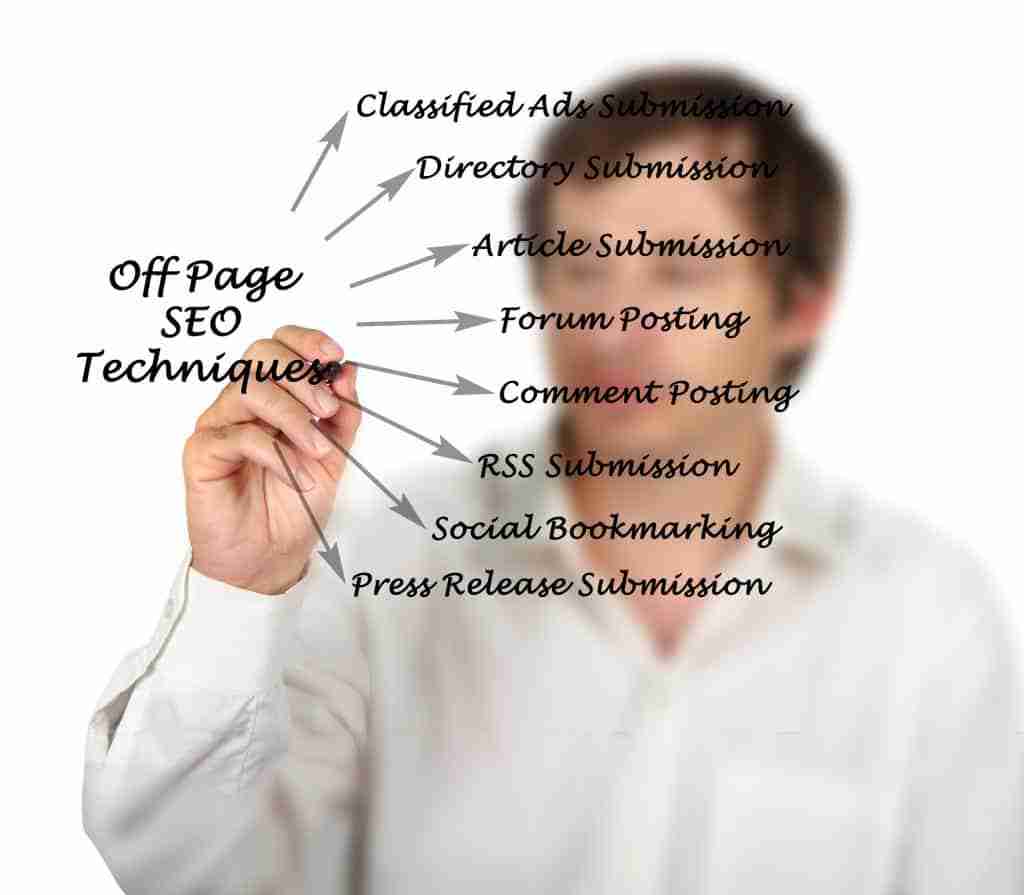
Off Page SEO
Off Page SEO refers to all the activities that happen outside your website but impact its ranking in search engine results pages (SERPs). While On Page SEO focuses on elements you can control on your site, like content and internal links, off-page SEO encompasses various techniques that build your site’s authority and relevance through external signals. Understanding off-page SEO is crucial for any business owner or professional aiming to enhance their online presence and drive more organic traffic.
Understanding off page SEO can help businesses navigate the competitive digital landscape.
Through off page SEO, businesses can leverage external platforms to boost their visibility.
Successful off page SEO requires consistent efforts and a focus on building quality backlinks.
Definition and Importance
By focusing on off page SEO, you can effectively enhance your site’s reputation and trustworthiness.
Effective off page SEO can foster positive user experiences, which are crucial for retention.
Implementing effective off page SEO strategies can greatly enhance your website’s performance.
At its core, off-page SEO is about improving your website’s reputation and authority by leveraging activities that take place away from your site. This includes earning backlinks, engaging in social media, and cultivating relationships within your industry. Why is this important? Search engines like Google consider these factors to determine how trustworthy and authoritative your website is. A strong off-page SEO strategy can lead to higher search rankings and increased visibility, ultimately driving more potential customers to your site.
Off page SEO includes activities such as social media marketing and influencer outreach, which can significantly improve your online presence.
Utilizing off page SEO strategies effectively can set your business apart from competitors.
Incorporating off page SEO into your strategy can lead to better ranking outcomes.
How it Differs from On Page SEO
While both on page and off page SEO are essential for a well-rounded search engine optimization strategy, they differ significantly in focus. On page SEO involves optimizing individual web pages to improve their search rankings, including things like keyword placement, meta tags, and content quality. In contrast, off-page SEO involves building your website’s authority through external means, such as backlinks and social media mentions. Understanding this distinction is vital for developing a comprehensive SEO strategy that covers all bases.
The Role of Link Building

Link Building
What is Link Building?
Link building is one of the most fundamental components of off page SEO. It involves acquiring hyperlinks from other websites to your own. These links, often referred to as backlinks, serve as a vote of confidence from one site to another, signaling to search engines that your content is valuable and trustworthy. The quality and quantity of these backlinks play a crucial role in your site’s overall authority and search engine ranking.
Strategies for Effective Link Building
Link quality in off page SEO is more important than quantity, as high-quality links can significantly boost rankings.
Building links effectively requires a strategic approach. Here are some popular methods:
- Content Marketing: Producing high-quality, shareable content can naturally attract backlinks from other websites.
- Guest Blogging: Writing articles for other blogs in your niche can provide valuable backlinks and boost your exposure.
- Influencer Outreach: Collaborating with influencers can help you get your content in front of a larger audience, increasing the chances of gaining backlinks.
- Directory Submissions: Listing your business in reputable online directories can help build credibility and earn backlinks.
Common Mistakes to Avoid
When engaging in link building, it’s essential to avoid common pitfalls that can harm your SEO efforts. For example, acquiring links from low-quality or spammy sites can hurt your site’s reputation. Focusing only on quantity over quality can also lead to ineffective link-building strategies. Instead, aim for high-quality backlinks from reputable sites to ensure your efforts contribute positively to your SEO.
Off page SEO is essential for driving organic traffic and enhancing brand recognition.
Exploring Backlinks
Types of Backlinks
Backlinks can be categorized into several types, each with its unique benefits. Here are some of the primary types:
- Natural Backlinks: These are links that are given naturally by other website owners who find your content valuable.
- Manual Backlinks: These are acquired through deliberate actions, such as reaching out for link placements or guest blogging.
- Self-created Backlinks: These links come from forums, blog comments, or user profiles. However, caution is necessary, as these can sometimes be seen as spammy.
How Backlinks Influence SERP Rankings
Search engines like Google use complex algorithms to determine website rankings. One of the critical factors in these algorithms is backlinks. The more quality backlinks a site has, the more authoritative it appears to search engines, leading to improved SERP positions. Backlinks not only boost your site’s credibility but can also drive traffic directly from the sites linking to you, further enhancing your visibility online.
Understanding SERP and Its Significance
What is SERP?
Search Engine Results Pages (SERPs) are the pages displayed by search engines in response to a query by a user. When someone searches for a term, they’re presented with a list of results that may include organic listings, paid ads, and sometimes local business listings. Understanding how SERPs function can help businesses optimize their content and improve visibility.
Factors That Affect SERP Positions
Many factors influence SERP rankings, including:
Incorporate off page SEO techniques to strengthen your website’s organic search performance.
- Keyword Relevance: The relevance of your content to the searched keywords is critical for ranking.
- Backlink Profile: A robust backlink profile can enhance your authority and visibility in SERPs.
- Site Speed: A fast-loading website provides a better user experience and can positively impact rankings.
- User Engagement: Metrics like click-through rate and time on page influence how search engines evaluate your content.
Effective SEO Strategies for Off Page Optimization
Social Media Engagement
Social media platforms are a vital component of off-page SEO. Sharing your content on social media not only increases visibility but also encourages engagement and sharing, which can lead to more backlinks. By building a strong social media presence, you can connect with your audience, promote your content, and ultimately drive traffic back to your website.
Engaging with your followers by responding to comments and participating in discussions can further enhance your brand’s reputation. Social signals, while not direct ranking factors, can influence SEO indirectly by driving traffic and potentially increasing the number of backlinks to your website.
Guest Blogging
Guest blogging remains one of the most effective off-page SEO techniques. By contributing articles to reputable blogs within your niche, you can establish authority, attract a new audience, and secure valuable backlinks. When guest blogging, it’s crucial to ensure that the site you are writing for has a good reputation and a solid readership.
When approaching guest blogging, focus on providing high-quality, informative content that resonates with the host site’s audience. This not only increases the likelihood of your post being accepted but also encourages readers to visit your site, potentially leading to conversions.
Online Reputation Management
Your online reputation plays a significant role in off-page SEO. Managing how your brand is perceived online can directly impact your credibility, customer trust, and, consequently, your SEO efforts. Encourage satisfied customers to leave positive reviews and address negative feedback promptly and professionally. This active engagement can enhance your brand’s reputation and improve its visibility in search engine results.
Additionally, participating in forums, communities, and discussion boards related to your industry can further boost your online reputation. By offering valuable insights and answering questions, you position yourself as an authority in your field, which can lead to organic backlinks and improved SEO performance.
Conclusion: Embracing Off Page SEO
Embracing off page SEO as part of your strategy can yield long-term benefits for your business.
Final Thoughts and Recommendations
Off-page SEO is an integral part of a successful digital marketing strategy. By understanding the principles behind link building, backlinks, and SERP dynamics, you can create a comprehensive approach to improve your website’s visibility and authority online. Implementing effective strategies like social media engagement, guest blogging, and diligent reputation management can significantly enhance your off-page SEO efforts.
Regularly monitoring your off page SEO efforts is crucial for ongoing success and adjustments.
Off page SEO is a multifaceted approach that can lead to higher engagement and conversions.
To excel in off page SEO, keep refining your strategies based on performance metrics.
Understanding the nuances of off page SEO can help tailor your approach for maximum impact.
Remember that off-page SEO is a long-term commitment. Results may not be immediate, but consistent efforts will pay off in the long run, positioning your business for lasting success in an increasingly competitive online landscape.
Encouragement to Implement Off Page Strategies
By implementing a robust off page SEO strategy, you can ensure sustainable growth for your brand.
As you delve into the world of SEO, don’t overlook the power of off-page strategies. They can be the key to unlocking your website’s true potential. Start experimenting with different techniques, measure their effectiveness, and adapt your approach as needed. Your journey into off-page SEO is bound to yield positive results, and your online presence is sure to flourish as a result.
FAQs
What are some quick ways to improve off-page SEO?
Engaging on social media, creating shareable content, and participating in relevant forums can provide quick wins for improving off-page SEO.
How long does it take to see results from off-page SEO efforts?
Results from off-page SEO can vary based on several factors, but typically, you may start seeing changes within a few months of consistent efforts.
Is link building still relevant in 2023?
Yes, link building remains a crucial component of off-page SEO. Quality backlinks from reputable sites can greatly enhance your authority and search rankings.
Can social media activity impact my SEO?
While social media signals are not direct ranking factors, increased engagement and shares can lead to greater visibility and potential backlinks, indirectly benefiting your SEO.
What should I avoid in off-page SEO?
Avoid engaging in black-hat SEO tactics, such as buying links or using spammy sites for backlinks, as these can harm your site’s reputation and rankings.