Introduction to SERP
The Search Engine Results Page (SERP) is a crucial element in the realm of digital marketing. It is the page displayed by search engines like Google, Bing, and Yahoo in response to a user’s search query. Understanding the intricacies of SERP is essential for business owners looking to enhance their online visibility and attract potential customers. This article aims to provide a comprehensive guide on SERP, detailing its components, the factors influencing ranking, strategies for improvement, and common pitfalls to avoid.

SERP
In an increasingly competitive online landscape, the significance of SERP cannot be overstated. A higher position on the SERP typically correlates with increased website traffic, greater brand awareness, and ultimately, higher conversion rates. Therefore, knowing how to optimize your presence on the SERP is vital for any business seeking growth in the digital space.
Components of a Search Engine Results Page
Organic Listings
Organic listings are the results that appear on a SERP based on their relevance to the search query, as determined by the search engine’s algorithm. These listings are earned through effective search engine optimization (SEO) practices and are not paid for. Gaining a high ranking in organic listings requires a focus on quality content, proper keyword usage, and building authority in your niche.
Paid Advertisements
Paid advertisements, often displayed at the top or bottom of the SERP, are a significant component of search results. Businesses can bid on keywords to have their ads shown when users search for relevant terms. This pay-per-click (PPC) model allows for immediate visibility but requires ongoing investment to maintain a presence.
Featured Snippets
Featured snippets are selected search results that appear at the top of the SERP, providing users with a direct answer to their queries without the need to click through to a website. These snippets can significantly increase visibility and traffic for the website featured. To optimize for featured snippets, providing clear, concise, and structured answers to common questions in your content is essential.
Local Pack
The local pack is a feature on the SERP that displays local business listings based on the user’s geographic location. This section typically includes a map and three businesses relevant to the search. For businesses with a physical presence, optimizing for local SEO—such as claiming a Google My Business listing—is crucial for appearing in the local pack.
Knowledge Graph
The knowledge graph is a tool used by search engines to provide quick, factual information about a subject or entity directly on the SERP. It pulls data from various sources to present a summary. Businesses can benefit from the knowledge graph by ensuring that their information is well-structured and accurate on platforms like Wikipedia and Google My Business.
Factors Influencing Your Search Engine Rank Page
Content Quality and Relevance
High-quality, relevant content is the cornerstone of effective SEO. Search engines prioritize content that is informative, engaging, and answers user queries. This involves using relevant keywords naturally throughout the text, addressing the needs of your audience, and providing comprehensive information.
Furthermore, keeping content fresh and updated is essential, as search engines favor websites that regularly provide new information. Outdated content can lead to a drop in rankings, as it may not meet the current needs of users.

Backlinks and Authority
Backlinks—links from other websites to your site—are vital for building credibility and authority in your niche. Search engines view backlinks as endorsements; the more high-quality backlinks you have, the more authoritative your site appears. It’s essential to focus on acquiring backlinks from reputable sites within your industry.
Developing relationships with other business owners, engaging in guest blogging, and creating shareable content can help generate valuable backlinks. This, in turn, boosts your website’s ranking on SERPs.
User Experience and Engagement
User experience (UX) plays a significant role in how search engines rank websites. A site that is easy to navigate, visually appealing, and responsive tends to retain visitors longer, which signals to search engines that the site provides value. Factors such as bounce rate, time on site, and pages per session are vital metrics to monitor.
Engagement also includes encouraging user interactions, such as comments, shares, and likes. Creating opportunities for audience interaction can enhance the overall experience and lead to better rankings.
Mobile-Friendliness and Site Speed
With a growing number of users accessing websites via mobile devices, ensuring mobile-friendliness is imperative. Search engines prioritize sites that provide a seamless mobile experience. Responsive design, fast loading times, and easy navigation are critical elements of mobile optimization.
Site speed is another crucial factor; slow-loading pages can frustrate users and lead to higher bounce rates. Optimizing images, leveraging browser caching, and minimizing JavaScript are effective strategies for enhancing site speed.
Technical SEO Elements
Technical SEO refers to the optimization of a website for crawling and indexing purposes. This includes ensuring that the site architecture enables search engines to easily access and understand the content. Key aspects include the use of structured data, XML sitemaps, and robots.txt files. Implementing these elements correctly can significantly impact how well your site ranks on SERPs.
Additionally, securing your website with HTTPS is critical, as search engines prefer secure sites. Implementing these technical aspects lays a strong foundation for overall SEO performance.
Strategies to Improve Your SERP Ranking
Keyword Research and Optimization
Conducting thorough keyword research is the first step in optimizing your content for SERP. Identifying keywords that your target audience is searching for allows you to tailor your content to meet their needs. Utilizing tools like Google Keyword Planner, Ahrefs, or SEMrush can help uncover valuable keyword opportunities.
Once keywords are identified, strategically placing them in your content—such as in headings, subheadings, and throughout the body—ensures that search engines recognize the relevance of your content. However, it’s crucial to avoid keyword stuffing; maintaining a natural flow is key.

Study SERP carefully
Creating High-Quality Content
Creating high-quality content is not just about keyword optimization; it also involves producing valuable, informative, and engaging material that resonates with your audience. Content should be well-researched and comprehensive, answering user queries effectively.
Incorporating different content formats, such as videos, infographics, and podcasts, can enhance engagement levels. Regularly updating and refreshing existing content can also improve its relevance and ranking potential.
Enhancing User Experience
Improving user experience is a multi-faceted approach that includes site design, navigation, and content layout. A clean, intuitive design helps users find what they are looking for, which can reduce bounce rates and increase time spent on the site.
Additionally, ensuring that your site is accessible to all users, including those with disabilities, is essential. This can involve implementing alt text for images, using headings appropriately, and ensuring compatibility with screen readers.
Building Quality Backlinks
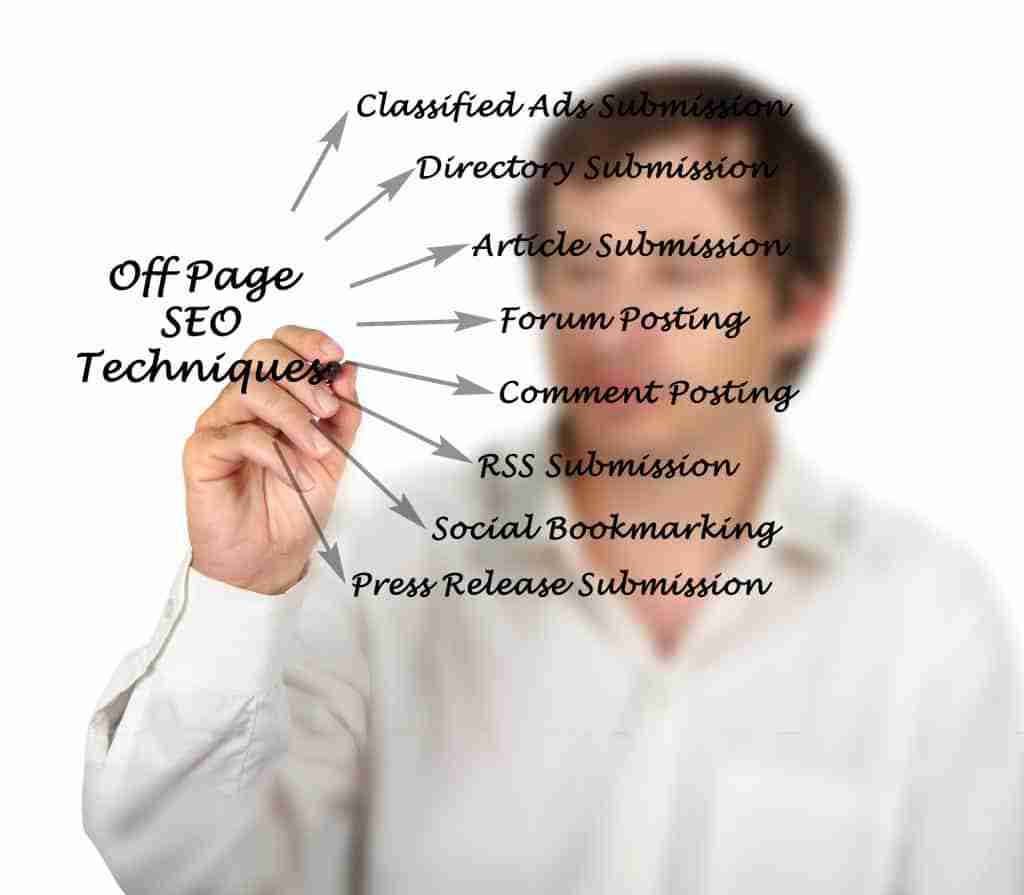
Building a robust backlink profile is critical for enhancing your website’s authority. Engage in outreach efforts to collaborate with other businesses in your niche, and consider guest posting on reputable websites. Creating high-quality content that naturally attracts links, such as insightful articles and research studies, can also aid in generating backlinks.
Participating in industry forums and discussions can help establish your expertise and encourage others to link back to your site. Quality, not quantity, should be the focus when it comes to backlinks; prioritize links from authoritative and relevant sources.
Regular SEO Audits
Conducting regular SEO audits helps identify areas for improvement and ensures that your SEO strategy is effective. An audit can reveal technical issues, such as broken links, slow page speeds, and mobile usability errors, that could hinder your site’s performance.
Additionally, reviewing your content’s performance, keyword rankings, and backlink profile allows you to adapt your strategies based on data-driven insights. Making SEO audits a part of your routine can sustain and improve your SERP ranking over time.
The Role of Analytics in SERP Improvement
Tracking Key Performance Indicators (KPIs)
Tracking key performance indicators (KPIs) is essential for understanding the effectiveness of your SEO efforts. KPIs such as organic traffic, bounce rate, average session duration, and conversion rates provide insights into user behavior and site performance.
Establishing clear goals and using analytics tools like Google Analytics can help you monitor these metrics effectively. Understanding how users interact with your site allows you to make informed decisions about content and strategy adjustments.

SERP Data Analysis
Measuring Traffic and Engagement
Measuring traffic and engagement helps you gauge the impact of your SEO strategies. Analyzing traffic sources, user demographics, and engagement levels can unveil trends and opportunities for improvement.
Utilizing segmentation in analytics allows you to assess how different audiences interact with your site, enabling targeted strategies to enhance user engagement and conversion rates.
Utilizing SEO Tools for Insights
Employing SEO tools provides valuable insights into your website’s performance. Tools like SEMrush, Ahrefs, and Moz can assist in tracking keyword rankings, identifying backlink opportunities, and conducting site audits. These tools offer comprehensive data that can guide your SEO strategies and enhance your understanding of SERP dynamics.
Incorporating these insights into your ongoing SEO strategy helps in making data-driven decisions, ensuring that your efforts remain effective and aligned with your business goals.
Common SERP Mistakes to Avoid
Ignoring Mobile Optimization
With a significant portion of users accessing the web via mobile devices, ignoring mobile optimization is a critical mistake. Websites that are not mobile-friendly risk losing a substantial audience and may be penalized by search engines in terms of ranking.
Ensuring that your site is responsive and provides a seamless experience across all devices is essential for maintaining visibility on the SERP.

Page Rank Study
Neglecting Local SEO
For businesses with a local presence, neglecting local SEO represents a missed opportunity. Not optimizing for local search can result in lower visibility in local packs and maps, reducing your chances of attracting nearby customers.
Claiming and optimizing your Google My Business listing, gathering customer reviews, and using location-based keywords are essential practices to enhance local SEO.
Overlooking Meta Tags and Descriptions
Meta tags and descriptions play a pivotal role in how your pages are indexed and displayed on SERPs. Overlooking these elements can lead to missed opportunities for higher click-through rates. Each page should have unique and compelling meta titles and descriptions that accurately reflect the content while enticing users to click.
Regularly reviewing and updating meta tags as part of your SEO strategy ensures that they align with current content and search trends.
Conclusion
Recap of SERP Importance
In summary, understanding and optimizing for the Search Engine Results Page is vital for enhancing your online visibility and driving traffic to your business. By focusing on the key components of SERP, such as organic listings, paid ads, and local packs, business owners can effectively position themselves in front of their target audience.
Encouragement to Implement Strategies
Implementing strategies such as keyword optimization, high-quality content creation, and regular SEO audits can significantly improve your SERP ranking. Additionally, avoiding common mistakes while actively monitoring analytics will foster continuous improvement.
Final Thoughts on Continuous Improvement
The digital landscape is ever-evolving, making it essential for business owners to stay informed about SEO trends and SERP updates. Consistency and adaptation in your strategies will ultimately lead to sustained success and increased visibility on search engines.
FAQs
What is SERP?
SERP stands for Search Engine Results Page, which is the page displayed by search engines in response to a user’s query. It includes various components such as organic listings, paid ads, featured snippets, and more.
How does SERP affect my business?
A higher ranking on the SERP typically leads to increased visibility, more traffic to your website, and potentially higher conversion rates. Understanding SERP dynamics is vital for any business looking to succeed online.
What are the key factors influencing SERP ranking?
Key factors include content quality and relevance, backlinks and authority, user experience, mobile-friendliness, site speed, and technical SEO elements.
How can I improve my SERP ranking?
Improving your SERP ranking involves strategies like conducting keyword research, creating high-quality content, enhancing user experience, building quality backlinks, and performing regular SEO audits.
Why is mobile optimization important for SERP?
Mobile optimization is crucial as a significant number of users access the web via mobile devices. Search engines favor mobile-friendly sites, and neglecting this aspect can lead to lower rankings and decreased audience reach.