Table of Contents

Google Penalty Recovery
What is a Google Penalty?
Common causes of Google penalties include using manipulative SEO techniques, poor-quality content, and engaging in link schemes. Understanding the nature of these penalties is essential for any website owner looking to maintain and improve their online presence.
Types of SEO: Black Hat vs. White Hat
What is Black Hat SEO?
Black hat SEO refers to unethical practices that aim to manipulate search engine algorithms for higher rankings. This can include keyword stuffing, cloaking, and using private link networks. While these methods may yield quick results, they are risky and can lead to severe penalties from Google.
What is White Hat SEO?
In contrast, white hat SEO focuses on ethical techniques that comply with Google’s guidelines. This includes creating quality content, optimizing site structure, and building natural backlinks. White hat strategies promote long-term success and build trust with both search engines and users.
Why Choose White Hat SEO for Your Business?
Choosing white hat SEO is essential for sustainable growth. Not only does it help in avoiding penalties, but it also enhances user experience and fosters brand loyalty. By focusing on ethical practices, businesses can build a reputable online presence, ensuring they remain in good standing with Google.
Penalty Recovery Strategies
Assessing the Damage
The first step in recovering from a Google penalty is to assess the damage. Use Google Search Console to identify any notifications regarding manual actions. This tool will provide insights into what caused the penalty, allowing you to address specific issues effectively.
Once you have identified the problems, conduct a thorough audit of your site. Look for low-quality content, unnatural backlinks, or any strategies that may have violated Google’s guidelines. This assessment is crucial to formulating a plan for recovery.
Steps to Recover from a Google Penalty
Recovering from a Google penalty involves several steps. Start by removing any spammy backlinks using tools like Disavow Links. Next, improve the quality of your content by ensuring it is original, valuable, and relevant to your audience. Regularly engage with your audience to encourage feedback and address any concerns.
Once you’ve made the necessary changes, consider submitting a reconsideration request through Google Search Console. This request should include details about the changes made, demonstrating your commitment to adhering to Google’s policies.
When to Seek Professional Help
If the penalty persists despite your efforts, it may be time to seek professional help. SEO experts can provide a fresh perspective and advanced strategies to navigate the complexities of Google’s algorithms. They can also conduct a more in-depth analysis and offer tailored solutions for your specific situation.
Optimizing Your Site: On-Page vs. Off-Page SEO
Understanding On-Page SEO

On Page SEO practices
On-page SEO refers to the practices applied directly within your website to improve its ranking on search engines. This includes optimizing title tags, meta descriptions, headers, and content with relevant keywords. Additionally, ensuring your website is user-friendly, fast, and mobile-friendly contributes significantly to your on-page SEO efforts.
Off-Page SEO Explained
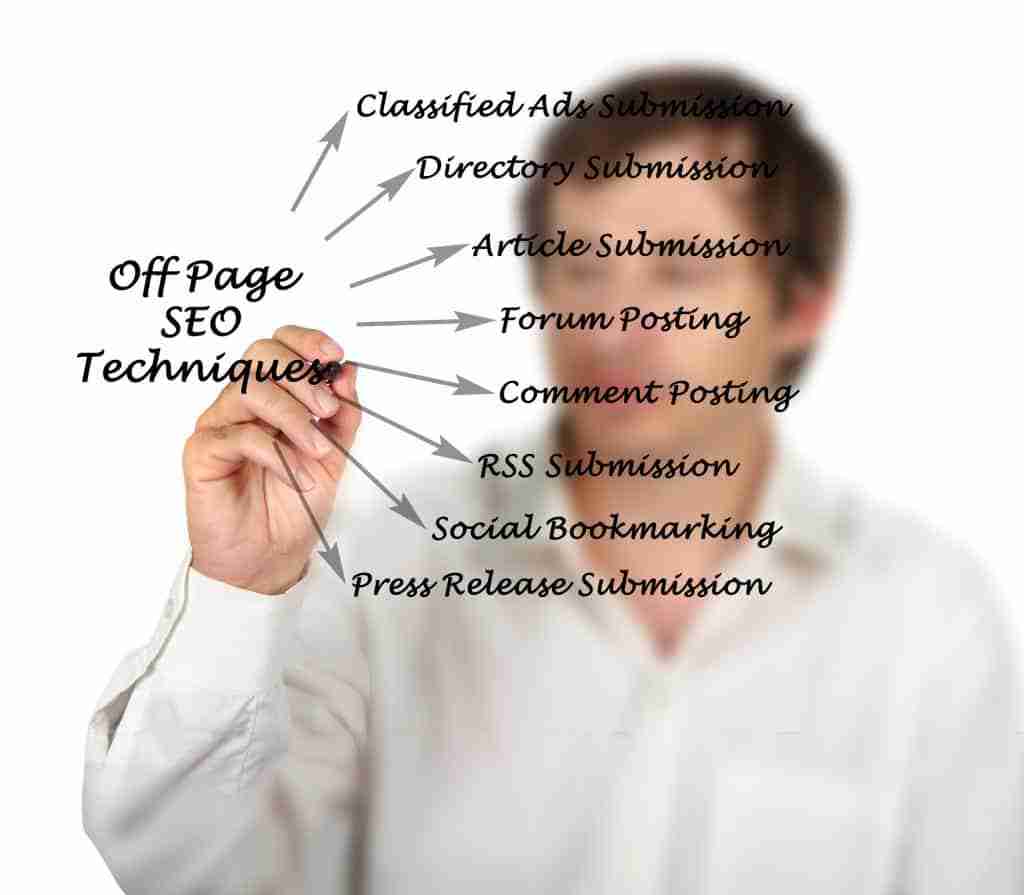
Off Page SEO
Off-page SEO, on the other hand, encompasses all the external factors that impact your site’s ranking. This includes backlinks, social media presence, and online reputation. Building a network of quality backlinks from reputable sources can significantly enhance your site’s authority and credibility.
Integrating Both for Better Results
To achieve optimal results, it’s essential to integrate both on-page and off-page SEO strategies. While on-page SEO lays the foundation for your site, off-page SEO amplifies that foundation by driving traffic and building authority. A balanced approach ensures a robust online presence.
SEO Best Practices to Avoid Google Penalties
Creating Quality Content
Creating quality content is paramount for avoiding Google penalties. Content should be original, informative, and engaging. Regularly updating your content to reflect current trends and information can help maintain relevance and user interest.
Additionally, incorporating multimedia elements, such as images and videos, can enhance user experience and keep visitors engaged longer. Always aim for a mix of informative, entertaining, and actionable content to cater to different audience preferences.
Building a Natural Backlink Profile
A natural backlink profile is crucial for SEO success. Focus on earning backlinks from reputable and relevant sources rather than engaging in link schemes. Seek out guest blogging opportunities, collaborate with influencers, and promote your content through social media to attract organic links.
Monitor your backlink profile regularly to identify and disavow any harmful links that could jeopardize your site’s standing with Google. Tools like Ahrefs and Moz can be valuable in tracking your backlink health.
Staying Updated with Google’s Guidelines
Google’s algorithms and guidelines are continually evolving. Staying updated with changes is essential to ensure your SEO practices remain compliant. Subscribing to industry blogs, following SEO experts on social media, and participating in webinars can provide insight into the latest trends and updates.
Implementing changes promptly based on these updates can help prevent penalties and maintain or improve your site’s rankings. Continuous education is crucial in the dynamic world of SEO.
Must-Have SEO Tools for Success
Keyword Research Tools
Keyword research tools, such as Google Keyword Planner, SEMrush, and Ubersuggest, are essential for identifying the right keywords to target. These tools provide insights into search volume, competition, and related keywords, helping you optimize your content effectively.
[af_link rel=”nofollow” target=”_blank” title=”Ubersuggest SEO tools” id=”3599″]Click here![/af_link]
Using the right keywords can significantly enhance your site’s visibility, driving organic traffic and improving rankings. Incorporate both short-tail and long-tail keywords for a balanced approach to your content strategy.
Site Audit Tools
Site audit tools like Screaming Frog and Moz Pro can help identify technical issues affecting your site’s performance. These tools analyze your website’s structure, identifying broken links, duplicate content, and other SEO-related issues that may hinder your rankings.
Regular audits should be part of your SEO strategy, enabling you to proactively address issues and optimize your site for better performance.
Monitoring Your SEO Progress
Monitoring your SEO progress is crucial to assess the effectiveness of your strategies. Tools like Google Analytics and Search Console provide valuable insights into your site’s performance, including traffic sources, user behavior, and keyword rankings.
By analyzing this data, you can make informed decisions and adjustments to your SEO strategy, ensuring continuous improvement and adaptation to changing trends.
Final Thoughts on Google Penalties and SEO
Embracing SEO Best Practices
In conclusion, understanding Google penalties and implementing effective SEO practices is essential for any website owner. By focusing on ethical strategies like white hat SEO and regularly auditing your site, you can avoid penalties and build a strong online presence.
Staying Ahead of the Game
Staying informed about the latest SEO trends and Google’s guidelines will help you adapt and thrive in the competitive digital landscape. Embrace continuous learning and improvement to ensure your website remains relevant, visible, and successful in attracting and retaining visitors.
FAQs
What are the signs of a Google penalty? Signs of a Google penalty may include a sudden drop in organic traffic, a decrease in rankings for specific keywords, or notifications in Google Search Console regarding manual actions.
How long does it take to recover from a Google penalty? Recovery time can vary significantly based on the severity of the penalty and the actions taken to rectify the issues. It may take weeks or months to see improvements after implementing recovery strategies.
Can I prevent Google penalties? Yes, by following SEO best practices, creating quality content, and avoiding manipulative techniques, you can significantly reduce the risk of incurring a Google penalty.
What should I do if my site gets penalized? First, assess the damage using Google Search Console. Identify and rectify the issues causing the penalty, and then consider submitting a reconsideration request once you’ve made the necessary changes.
Is white hat SEO worth the investment? Absolutely! White hat SEO not only helps you avoid penalties but also builds a solid foundation for long-term success and credibility with both users and search engines.